Why Choose the PD Program at RMA?
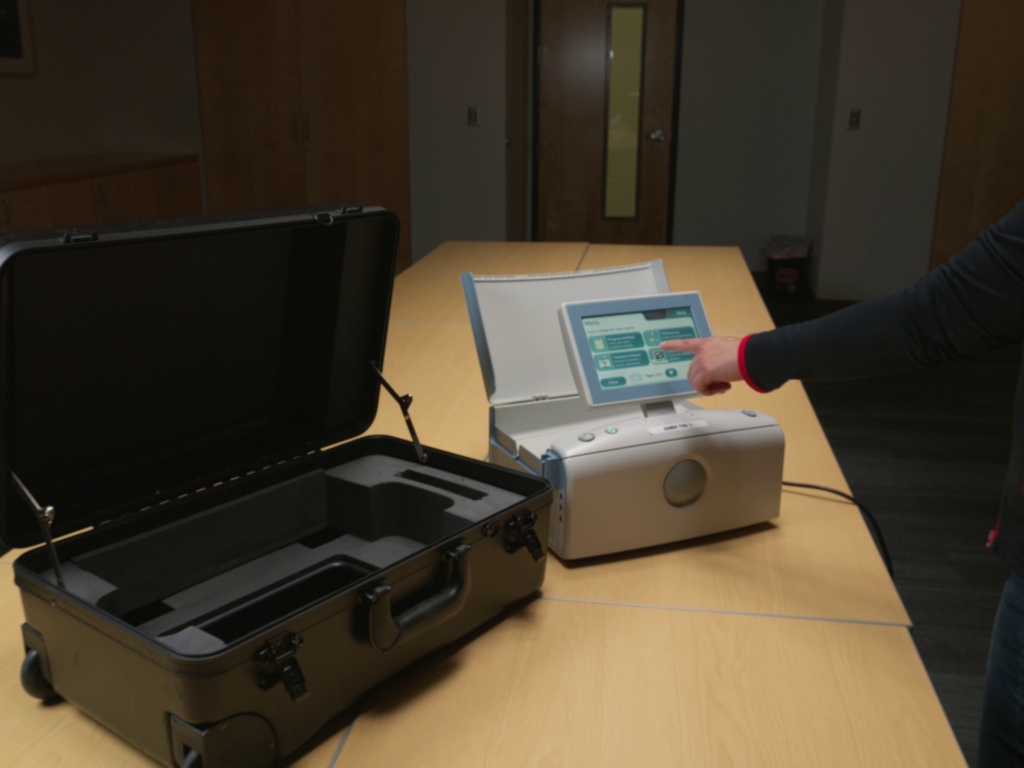
Peritoneal Dialysis, often referred to as PD, is a homebased dialysis option that uses the lining of the abdomen to remove toxins and excess fluid from the body. for many patients, PD offers flexibility, independence, and greater control over daily life.
At Renal Medicine Associates (RMA), Peritoneal Dialysis (PD) is delivered through our dedicated PD Program, designed to guide patients from early education planning through long term care.
The Peritoneal Dialysis Program at RMA is built around planning, education, and continuity.
Our PD Approach Includes:
- Structured screening for Peritoneal Dialysis candidacy
- Early planning to avoid urgent or emergent dialysis starts
- Individualized PD catheter placement strategies
- Ongoing support throughout Peritoneal Dialysis care
PD at RMA is more than a procedure - it is a coordinated care pathway.
The PD Journey at RMA
Learn → Screen → Evaluate → Place → Train → Support
Patients are guided step-by-step through the Peritoneal Dialysis journey, from learning about PD as an option to long-term support once dialysis begins. Each phase of the PD program is coordinated to reduce delays, confusion, and complications.
Is PD (Peritoneal Dialysis) Right for Me?
Peritoneal Dialysis may be a good option for patients who:
- Prefer home-based dialysis
- Want flexibility and independence
- Have a suitable abdominal cavity
- Can perform PD independently or with support
Not every patient is the same. This is why the PD Program emphasizes structured screening and individualized evaluation.
Planning the PD Catheter
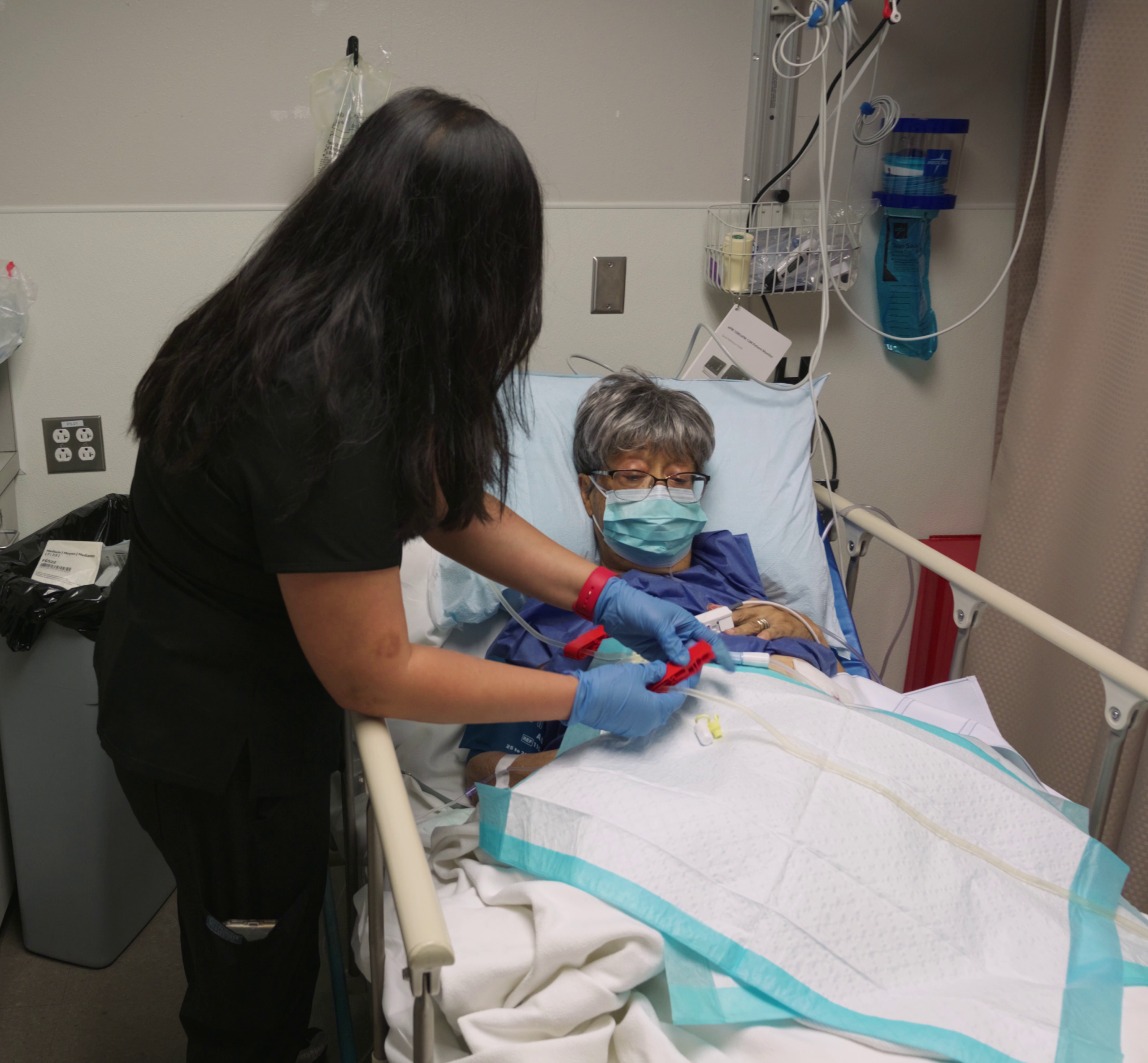
PD catheter placement is carefully planned based on each patient’s medical condition and readiness for Peritoneal Dialysis.
Some patients benefit from early (embedded) PD catheter placement, while others require immediate-use Peritoneal Dialysis catheter placement. Thoughtful planning supports safer starts and smoother transitions to PD.
Ongoing Support & Safety in Peritoneal Dialysis
The PD Program continues well beyond catheter placement.
Patients receive guidance on:
- What to expect during Peritoneal Dialysis
- Recognizing signs of infection or PD-related complications
- When and how to contact the care team
RMA has established pathways to promptly evaluate and manage PD-related issues, including catheter exchange or removal when necessary.
Next Steps
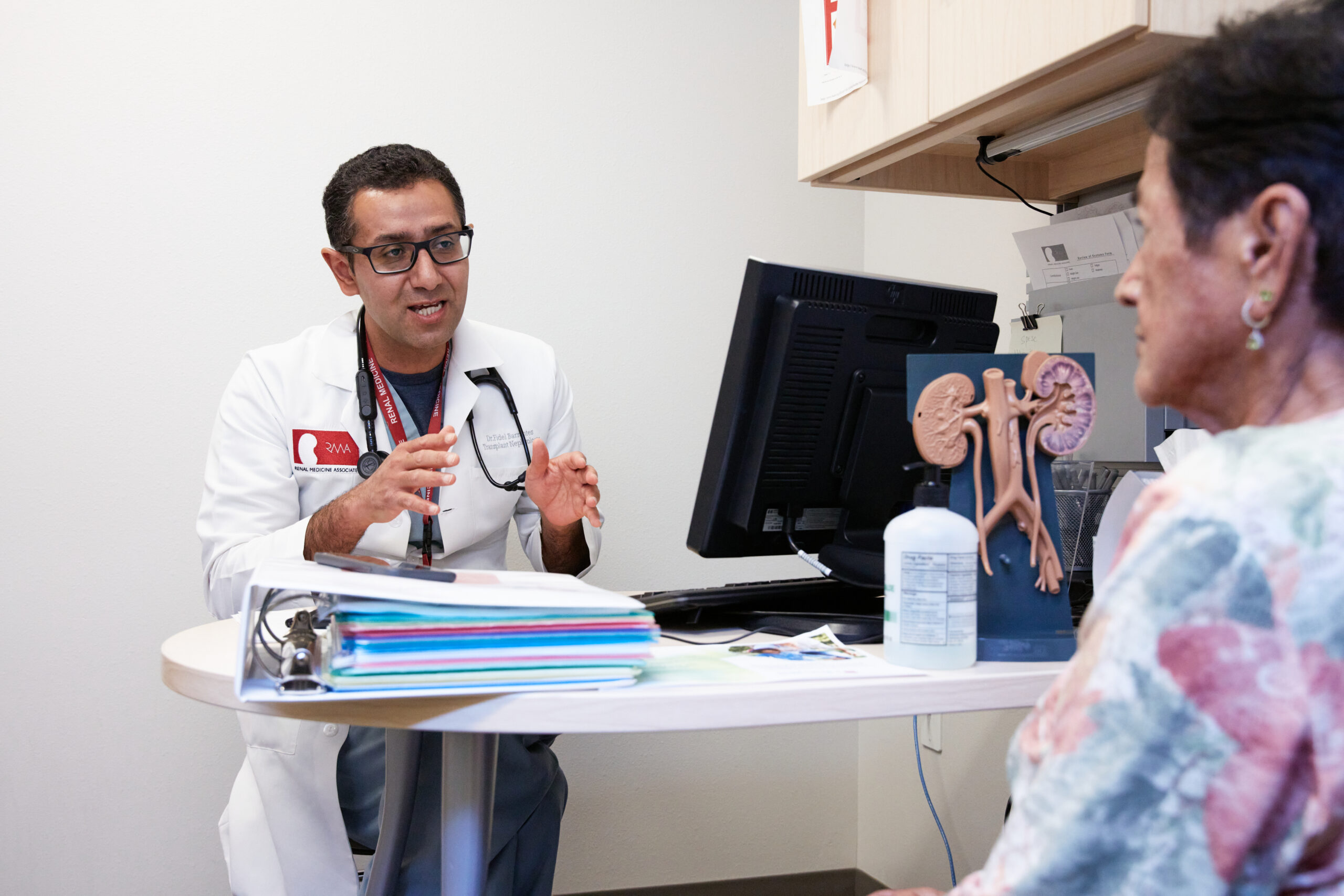
If you are interested in learning more about Peritoneal Dialysis (PD) or would like to be evaluated for the PD Program, please contact Renal Medicine Associates or speak with your care team.
Our Commitment
At RMA, the Peritoneal Dialysis Program is designed to support patients through education, preparation, and long-term success, with care centered on the individual — not just the dialysis modality.
For Providers: PD Referrals
Referring providers can access:
- Peritoneal Dialysis referral criteria
- PD screening forms
- Streamlined PD referral workflows
- Expectations after referral to the PD Program
Centralized referral guidance improves coordination, timing, and patient outcomes.
For Patients: PD Forms
Please call office directly to make an appointment if consult or referral is urgent.
- 505-998-7461
- 505-314-0795